


Wildlife Parks in India
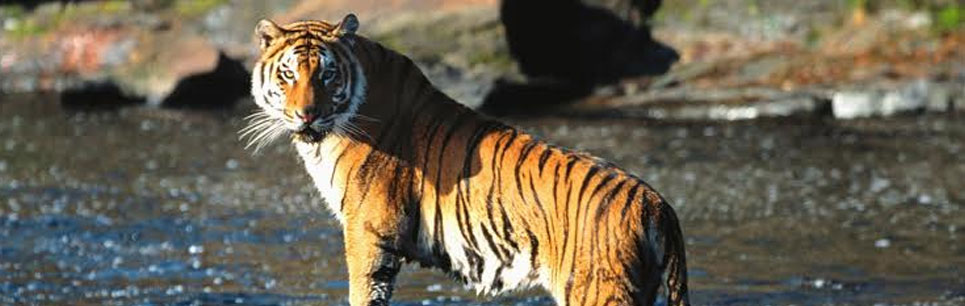
“Jungle”—the Hindi word for wilderness in India—was adopted into the English language, and over time has come to denote lush, tropical forests everywhere.
Places covered: Paro - Thimphu - Trongsa - Bumthang - Punakha - Paro
Day 01 Arrive Paro-Thimphu
On arrival in Paro, meet and greet at airport and drive to Thimphu.
THIMPHU: Thimphu is the capital and largest city of Bhutan. It is situated in the western central part of Bhutan and the surrounding valley is one of Bhutan's dzongkhags, the Thimphu District. The city became the capital of Bhutan in 1961. The culture of Bhutan is fully reflected in Thimphu in respect of literature, religion, customs, and national dress code, the monastic practices of the monasteries, music, dance, literature and in the media. Tsechu festival is an important festival when mask dances, popularly known as Cham dances, are performed in the courtyards of the Tashichhoe Dzong in Thimphu. It is a four-day festival held every year during Autumn (September/October), on dates corresponding to the Bhutanese calendar.
On arrival check in hotel.
Overnight at hotel.
Day 02 In Thimphu
Morning visit the Memorial Chorten, the Zangthopelri Lhakhang and the School of Thangka Painting. Afternoon visit the Handicraft Emporium and some local shops.
Overnight at hotel.
Day 03 Thimphu- Punakha
Morning visit Institute of Traditional Medicine and Bhutanese handmade paper factory. Later drive to Punakha, en-route visiting Dochula Pass from where one can see beautiful view of Eastern Himalayan Range on the clear sunny day.
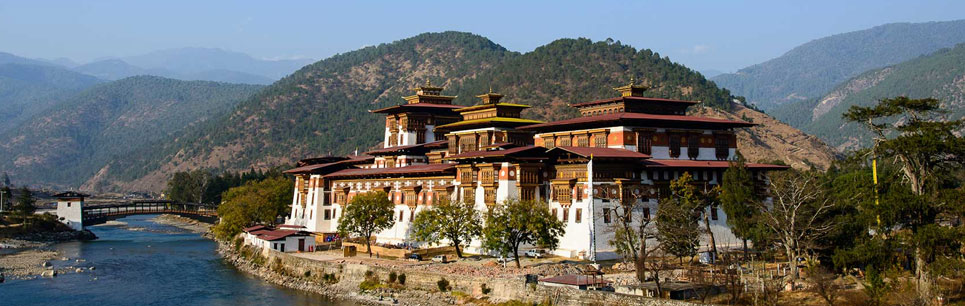
PUNAKHA: Punakha is an administrative center and one of the 20 districts of Bhutan. Punakha was the capital of Bhutan and the seat of government until 1955, when the capital was moved to Thimphu. It is about 72 km away from Thimphu and it takes about 3 hours by car from the capital Thimphu. Unlike Thimphu it is quite warm in winter and hot in summer. It is located at an elevation of 1,200 metres above sea level and rice is grown as the main crop along the river valleys of two main rivers of Bhutan, the Pho Chu and Mo Chu.
Afternoon visit Punakha town and visit the Punakha Dzong, which is the summer residence of Central Monastic body. Later visit Wangdi town.
Overnight at hotel.
Day 04 Thimphu-Trongsa
Drive to Trongsa across the Dochula Pass and Pelela Pass. Stop at Chendebji Chorten for picnic lunch.
TRONGSA : Trongsa Dzong is the largest dzong fortress in Bhutan, located in Trongsa (formerly Tongsa) in Trongsa district, in the center of the country. Trongsa Dzong, the largest dzong at a striking location, is an important administrative building, providing the headquarters of the government of Trongsa District. Trongsa provides a strategic central location to control Bhutan and for centuries it was the seat of the Wangchuck dynasty of penlops (governors) who effectively ruled over much of eastern and central Bhutan, and from 1907 have been Kings of Bhutan. It is also a major monastic complex, with around 200 monks. During the summer months, the monastic community often relocates to Kurje Monastery in the Bumthang valley. It contains a notable printing house, responsible for the printing of many religious texts in Bhutan.
On arrival check in hotel.
Overnight at Trongsa.
Day 05 Trongsa-Bumthang
Morning visit the Ta Dzong (watchtower) and Trongsa Dzong, the largest Dzong in Bhutan. Drive across Yutola Pass and on to Bumthang. Enroute visit the Chume valley, where local women weave the famous “Bumthang Yathra”, pure woolen cloth woven in the traditional method with beautiful colored patterns.
BUMTHANG: Bumthang District is one of the 20 dzongkhag (districts) comprising Bhutan. It is the most historic dzongkhag if the number of ancient temples and sacred sites is counted. Bumthang consists of the four mountain valleys of Ura, Chumey, Tang and Choekhor Bumthang, although occasionally the entire district is referred to as Bumthang valley.
Bumthang directly translates as "beautiful field" – thang means field or flat place, and bum is said be an abbreviation of either bumpa (a vessel for holy water, thus describing the shape and nature of the valley), or simply bum ("girl," indicating this is the valley of beautiful girls). The name is said to have arisen after construction of Jambay Lhakhang.
On arrival check in hotel.
Overnight at hotel.
Day 06 In Bumthang
Day excursion to Ura Valley with a picnic lunch. Evening at leisure.
Overnight at hotel.
Day 07 Bumthang-Trongsa
In the morning, visit the Wangdichholing Palace, Swiss Farm House, the Tamshing Lhakhang and Kuenshusum Lhakhang. Drive back to Trongsa.
Overnight at hotel.
Day 08 Trongsa-Punakha
Morning drive to Punakha en-route visiting Gangtey . Gangtey is situated in Phubjikha valley, which the winter home of endangered Black-Necked Cranes that migrate to this valley from Central Asia in winter. Picnic lunch at Gangtey.
Later drive to Punakha.
PUNAKHA: Punakha is an administrative center and one of the 20 districts of Bhutan. Punakha was the capital of Bhutan and the seat of government until 1955, when the capital was moved to Thimphu. It is about 72 km away from Thimphu and it takes about 3 hours by car from the capital Thimphu. Unlike Thimphu it is quite warm in winter and hot in summer. It is located at an elevation of 1,200 metres above sea level and rice is grown as the main crop along the river valleys of two main rivers of Bhutan, the Pho Chu and Mo Chu.
On arrival check in hotel.
Overnight at hotel.
Day 09 Punakha-Paro
Morning visit Wangdue town. Drive to Punakha Dzong and visit the Dzong if the Je Khenpo
(Chief Abbot) and the Monk Body have shifted to Thimphu for the summer as this Dzong serves as the winter residence for the Central Monk Body. Drive to Thimphu. After lunch at Thimphu, proceed to Paro.
PARO: Paro is the most historic valleys in Bhutan. The language spoken in Paro is Dzongkha, the national language. Paro contains the only active international airport in Bhutan, the Paro Airport, a beautiful small green-roofed facility in a valley, served only by Drukair (Bhutan's National Airline) from India and other countries in Southeast Asia.
On arrival check in hotel.
Overnight at hotel.
Day 10 In Paro
Sightseeing around the Paro valley includes visit to Ta Dzong which houses the National Museum, the ruins of Drugyel Dzong and the courtyard of Kichu Lhakhang one of the oldest monasteries in Bhutan – dated 7th century AD. Afternoon visit Paro town and relax.
Overnight at hotel.
Day 11 In Paro
Morning drive to Ramthongkha and then hike to viewpoint of Taktshang, the Tiger’s Nest (one and a half hours). This magical monastery clings to a vertical granite cliff 3,000 ft above the valley floor. The monastery unfortunately got burnt in 1998 but it has recently been reconstructed.
If time permits drive to Chelila Pass where you can see beautiful mountain ranges and rhododendron flowers in bloom. On the way back walk to Chila Nunnery.
Overnight at hotel.
Day 12 Leave Paro
In time pick up from hotel and transfer to hotel to connect flight for onward destination.

“Jungle”—the Hindi word for wilderness in India—was adopted into the English language, and over time has come to denote lush, tropical forests everywhere.
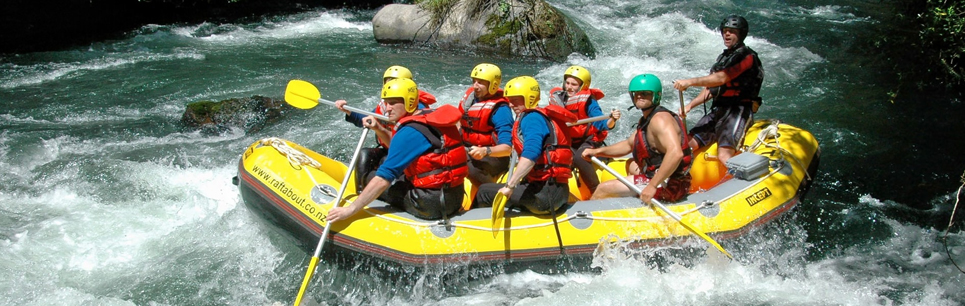
India is the land of diversity and caters to all tourists who are looking for adventure activities during their visit to India.
E-mail: -
incoming@ptgforindia.com
Website: -
www.ptgforindia.com

Copyright © Professional Travel Guidance. All Rights Reserved Powered by The Web Design Solutions